
- Home
- Speech & Language Therapy
Speech & Language Therapy


4.9 Clients Rating
Lorem ipsum dolor sit amet

Every Voice Deserves to Be Understood Clearly
One-on-one therapy for children and adults working through delayed speech, articulation difficulties, or language comprehension gaps assessed properly, not guessed at.


Problem
"Wait and Watch" Is the Advice Most Parents Get. It's Not Always Right.
It's easy to assume a child will "grow out of it" and sometimes they do. But speech and language delays that go unaddressed tend to compound: a child who struggles to be understood at 3 often struggles more at school, socially and academically, by 6.
The same applies to adults a stammer, a swallowing difficulty, or a change in speech clarity rarely resolves on its own once it's persisted past a few weeks. The earlier it's properly assessed that the shorter and more effective therapy tends to be.

Callout stat: 75% of early speech and language concerns respond significantly better to therapy started before school age than the same concern addressed later, which is why an assessment now costs far less than waiting does.
Signs It's Worth a Closer Look
What Parents Should Do
Three Things Worth Doing This Week
Write down what you're actually noticing
Specific examples which sounds, which words, how often are far more useful to a therapist than "something feels off." Note a few real instances over a week.
Rule out a hearing issue first
A basic hearing check is quick and rules out one of the most common underlying causes of speech delay before assuming it's purely developmental.
Get it assessed don't just monitor
An assessment doesn't commit you to therapy. It tells you clearly whether there's something to act on, which is more useful than months of uncertain watching.
What Happens in the First Assessment
A conversation first
We start by understanding the concern, history, and what's already been tried not straight into testing.
Structured evaluation
A mix of standardized tests and observation, tailored to the specific concern raised.
Clear findings, same day
You leave with a specific picture of what we found not a vague "let's see."
A realistic plan, if needed
If therapy is recommended, you get an estimated timeline and goals — never an open-ended commitment.
COMPLETE THERAPY & REHABILITATION CARE
Ready to Understand What's Really Going On?
At Vocalzz, we provide personalized therapy and rehabilitation support for children, adults, and seniors, helping improve communication, mobility, learning, sensory abilities, hearing, and everyday independence.
Question Answer
Frequently Asked Question
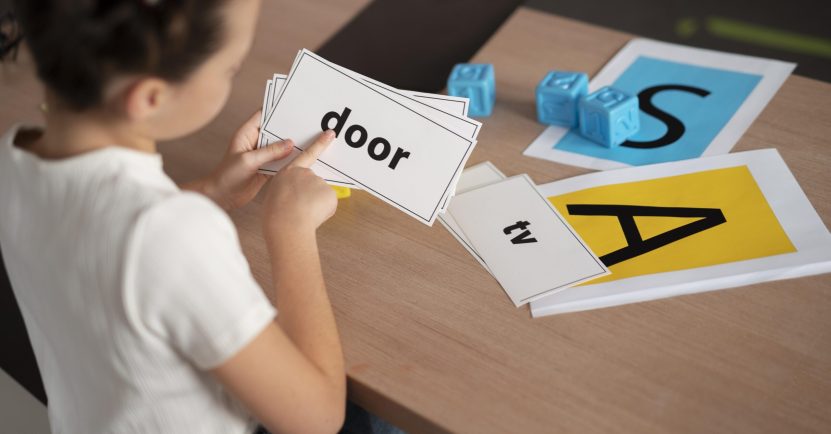
If your child consistently mispronounces sounds, has fewer words than children of the same age, struggles to form sentences, finds it difficult to follow instructions, or becomes frustrated when trying to communicate, a professional assessment may be helpful. An assessment can clarify whether therapy is needed instead of relying only on a “wait and watch” approach.
Some speech difficulties may improve naturally, but persistent speech or language delays should not be ignored. Early assessment helps identify whether there is an underlying concern and allows appropriate support to begin before communication difficulties start affecting learning, confidence, or social interaction.
The first assessment begins with a discussion about the concern, medical or developmental history, and anything you have already tried. The therapist then uses observation and appropriate structured assessments to understand the difficulty. You receive clear findings and, if therapy is recommended, a personalised plan with realistic goals and an estimated timeline.
Yes, a basic hearing assessment can be an important first step. Hearing difficulties can sometimes contribute to delayed speech or unclear communication. Ruling out hearing-related concerns helps the therapist better understand the reason behind the speech or language difficulty.
No. Speech & Language Therapy can support both children and adults. Adults may benefit from assessment and therapy for concerns such as stammering, swallowing difficulties, reduced speech clarity, or changes in communication and word-finding, including changes following an illness or injury.